

Why does colour start with wool?
Long before a carpet reaches the dyehouse, decisions are already being made that influence how colour will appear in the finished design. We spoke to Andy Coates, Operations Director at Ulster Yarns, about wool blends, fibre selection and why colour performance begins with the raw material itself.
Not all wool behaves the same
When designers think about colour, they often think about dye.
For Andy, colour starts much earlier.
Wool from different sheep breeds and regions behaves differently throughout spinning, dyeing and weaving. Fibre thickness, strength, natural colour and even climate conditions can all influence how wool absorbs colour and performs during manufacturing.
Understanding those differences is fundamental to achieving colour consistency.
"No two fibres behave exactly the same."
Why wool blends matter
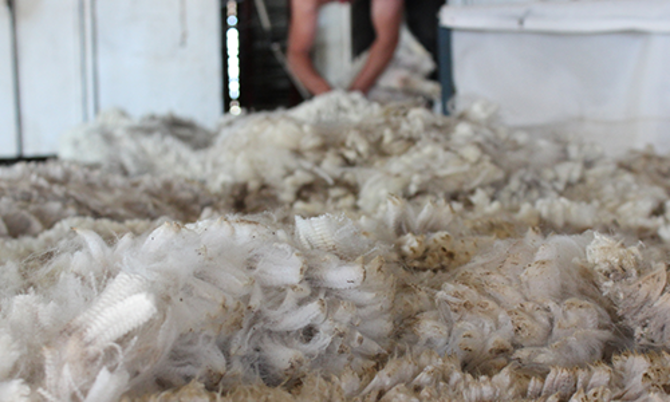
Different fibres bring different colour characteristics.
Some fibres help achieve brighter, cleaner colours, while others contribute richness, depth or subtle tonal variation. Even before dye is introduced, the fibre itself can influence how colour will appear in the finished carpet.
This is why wool blending plays such an important role in yarn development.
Rather than relying on a single fibre type, blends allow our specialists at Ulster Yarns to combine different characteristics and create the foundation for a specific colour outcome.
The role of fibre selection
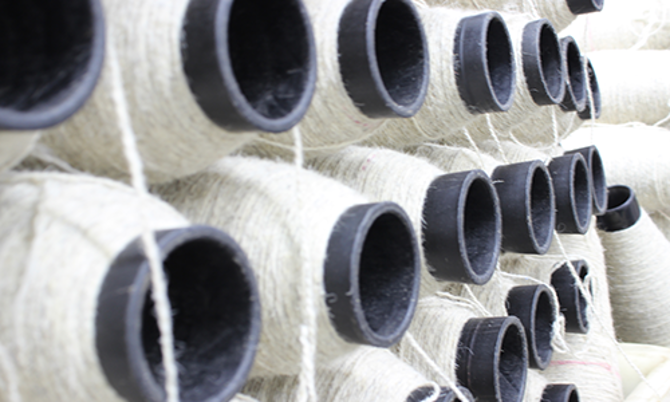
The same colour recipe can appear different depending on the fibre it is applied to.
Natural fibre characteristics influence how wool absorbs dye, affecting everything from colour clarity and brightness to depth and tonal variation. This means that two yarns dyed using the same recipe may not always produce exactly the same visual result.
Some fibres help create cleaner, brighter colours, while others contribute softer or more nuanced effects.
Understanding these differences gives designers greater flexibility when developing colour palettes and allows colour decisions to begin long before the dyeing process starts.
Read our Studio Session – Does all wool perform the same?
Experience matters
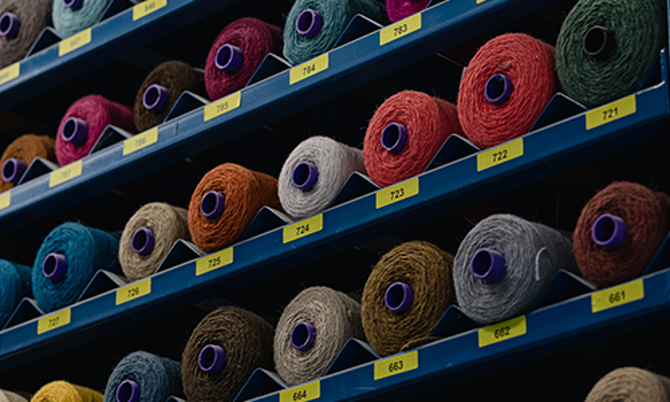
Colour development is not simply about applying dye to yarn.
It relies on understanding how fibres will behave throughout spinning, dyeing and weaving, and how those behaviours influence the final appearance of the carpet.
Much of this knowledge comes from experience. Knowing how different fibres respond allows informed decisions to be made around fibre selection, blending and colour development.
This is also why close collaboration between yarn and design teams is so important in carpet. Colour decisions often begin long before a design reaches the loom, with our designers and yarn specialists working together to understand how different fibres will influence the final result.
By combining creative intent with technical expertise, colour can be considered from the very beginning of the development process.
"Colour doesn't begin in the dyehouse. It begins with understanding the fibre."
Sign up for our Newsletter
